
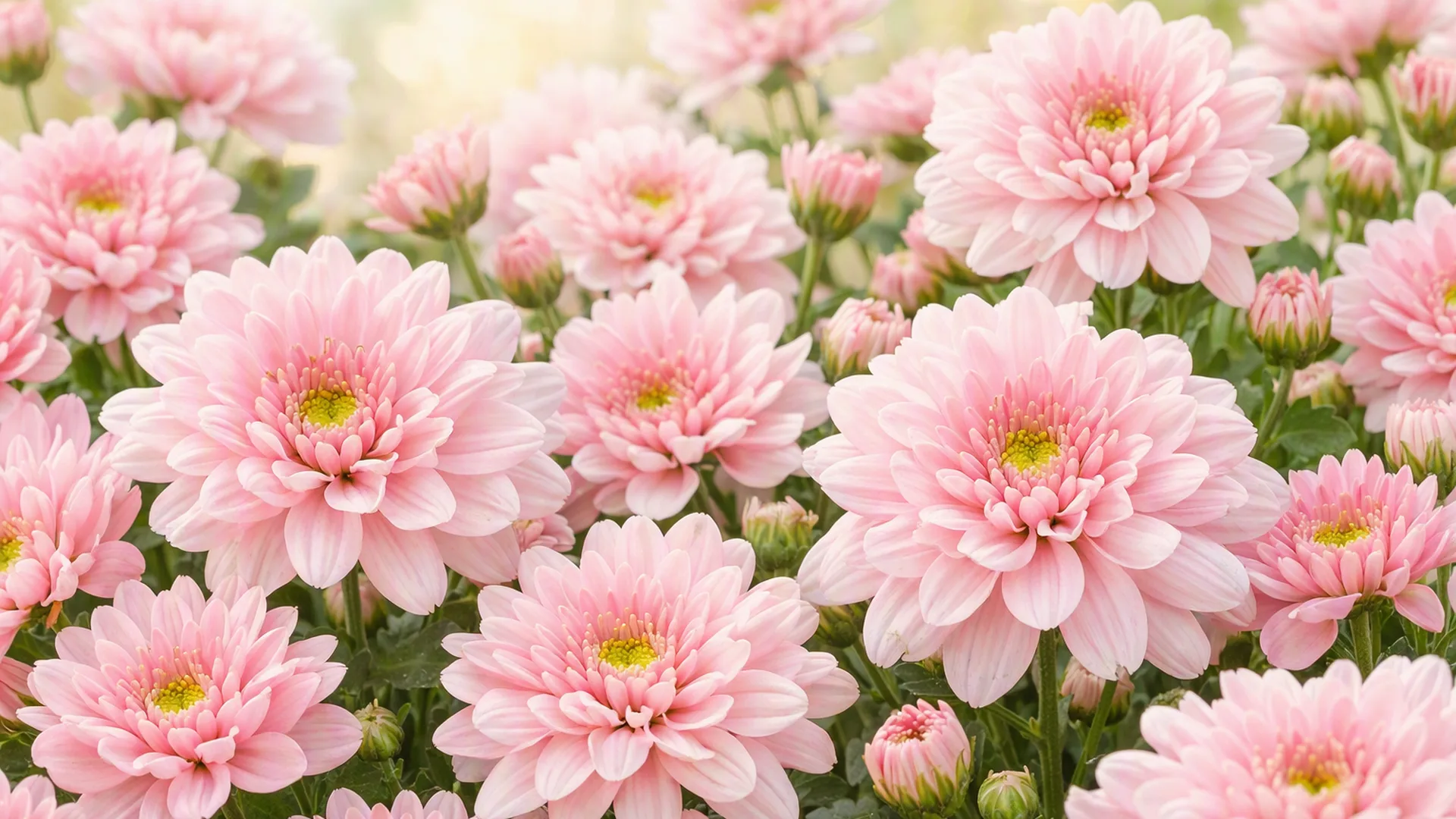
Matariki: flowers and gifts for the Māori New Year
Matariki marks the Māori New Year, and it now has its own public holiday in the middle of winter. Flowers are not a formal part of the occasion, but a bouquet, a plant or a card is a warm way to reach someone you cannot be with over the long weekend. Te Aka Māori Dictionary also links one of the Matariki stars to those who have died, which makes it a natural time to remember. Below we cover the dates, the winter flowers on offer, delivery around the holiday and a few greetings for the card.
How the holiday date is worked out
Unlike most public holidays, Matariki does not fall on a fixed date. Te Papa explains the rule: the public holiday falls on the closest Friday to the Tangaroa lunar period during the lunar month of Pipiri.
- 2026: Tangaroa period 8 to 11 July; holiday Friday 10 July.
- 2027: Tangaroa period 27 to 30 June; holiday Friday 25 June.
- 2028: Tangaroa period 15 to 18 July; holiday Friday 14 July.
Employment New Zealand lists the same dates for 2026 and 2027. Our flower calendar shows how Matariki sits alongside King's Birthday and the other winter dates.
A long weekend: plan the delivery for Thursday
Because the holiday is always a Friday, Matariki creates a three-day weekend. Public-holiday and weekend delivery is limited in many areas, so if you want flowers to arrive for the gathering, aim for a delivery on the Thursday, or earlier in the week.
- Order early in the day; many shops close for the long weekend or run reduced hours.
- Rural addresses with an RD number can take longer, and since mid-2024 the national postal service no longer delivers parcels to most rural addresses on Saturdays.
- If the flowers are for a marae or a family home where many people are gathering, check that someone will be there to receive them.
Ready to send? A local florist makes up and delivers the flowers.
Choose bouquetOrder by 2 pm on weekdays (11 am Saturdays) for same-day delivery in many areas
What is flowering in midwinter
Midwinter is quieter in the garden, but there is more on offer than you might expect.
- Cymbidium orchids. These are winter flowers in New Zealand. One large grower near Pukekohe says its peak season is winter, and it exports about 90% of its cut flowers, mainly to the United States, Australia and Japan.
- Puawānanga. The native clematis has white flowers from July to November. Te Aka Māori Dictionary describes it as a climbing plant with white, showy flowers and fluffy seed heads.
- Kākābeak (ngutukākā). One of the largest native flowers, it begins blooming in late winter.
- Kōwhai. The common kōwhai sometimes starts flowering as early as May, ahead of its main season from August to October.
Native flowers such as kōwhai and kākābeak are not sold as bouquet stock, but they make a meaningful theme for a card or a garden gift. Our guide to native flowers tells their stories.
Pōhutukawa: a star that remembers
Most New Zealanders know pōhutukawa as the coastal tree with red flowers at Christmas. Te Aka Māori Dictionary records a second meaning: Pōhutukawa is also a star in Te Kāhui o Matariki (the Matariki cluster), described as "a female star that connects Matariki to the dead".
That link makes Matariki a natural time to think of whānau and friends who are grieving. A simple bunch of flowers or a card, sent with a note that you are thinking of them and of the person they have lost, can mean a great deal in the darkest weeks of the year. If you are writing to someone in mourning, our guide to tangihanga and words of sympathy explains a few phrases and customs.
Winter illness and hospital wards
Winter is also the season when someone you love may be in hospital. Before sending flowers there, check with the ward: no single rule covers every New Zealand hospital, and policies differ a lot. Palmerston North Hospital, for example, says most of its wards are flower free and asks people to check before sending or bringing flowers. Rotorua Hospital does not allow flowers or plants in its intensive care unit because of the infection risk. Where flowers are not possible, a Matariki card now and flowers once the person is home again is a thoughtful alternative.
Greetings for a Matariki card
A few words in te reo Māori can make a card feel right for the occasion. These phrases and meanings come from Te Aka Māori Dictionary and the University of Auckland:
- Ngā mihi o te tau hou – happy new year, greetings for the new year.
- Ngā mihi nui – thank you very much, or kind regards.
- Ngā mihi me te aroha nui – love and best wishes.
- Aroha nui – much love, with deep affection.
- Noho ora mai – stay well.
- Kia kaha – be strong, keep going. A good choice for someone having a hard winter.
If you are unsure how a phrase will land, keep it short and add a line in English as well.
Ready to send? A local florist makes up and delivers the flowers.
Choose bouquetOrder by 2 pm on weekdays (11 am Saturdays) for same-day delivery in many areas
Related guides
New Zealand's flower-giving calendar, 2026 to 2028
Every flower-giving date in New Zealand for 2026–2028: Valentine's, Mother's Day, Matarik…
Mother's Day flowers in New Zealand
Mother's Day in New Zealand is the second Sunday in May. Dates for 2026–2028, why florist…
Valentine's Day flowers in New Zealand
Valentine's Day in NZ falls on a Saturday in 2026 and a Sunday in 2027. Where the red ros…
Father's Day flowers in New Zealand
Father's Day in NZ is the first Sunday in September, the start of spring. Dates for 2026–…
Anzac Day: poppies, wreaths and flowers for remembrance
Anzac Day dates for 2026–2028, the RSA Poppy Day appeal, laying a wreath, and the cemeter…
A Kiwi summer Christmas in flowers
A Kiwi Christmas falls in midsummer, when pōhutukawa and rātā bloom. Holiday dates for 20…
Diwali and Lunar New Year flowers in Aotearoa
Diwali and Lunar New Year dates in Aotearoa for 2026–2028, Auckland festival details, and…
Graduation flowers by university
Graduation ceremony dates for Auckland, Canterbury, Otago and Victoria University of Well…